

Founded in 1986, the Society for American City and Regional Planning History (SACRPH) promotes scholarship on the planning of cities and metropolitan regions and bridges the gap between the study of cities and the practice of urban planning.
SACRPH 2026 in Cincinnati –
The 21st National Conference on Planning History:
SACRPH recently held its biennial conference at the University of Cincinnati on October 15 to 18, 2026!
- The conference commenced on Thursday with the inaugural Alison Isenberg Dissertation Colloquium (invite only), optional Community Service Day, and an evening keynote on “Colonial Urbanism and Racial Imagination.”
- Friday included daytime tours in the Cincinnati region, an evening roundtable on the history of SACRPH to mark its 40th anniversary, and a Cincinnati Night reception at the American Sign Museum.
- Saturday featured paper panels, roundtables, workshops, and a poster session; a lunchtime presidential address; and an evening awards reception.
- The conference concluded on Sunday with additional paper panels, roundtables, and workshops, and a memorial session to honor Alison Isenberg.
SACRPH’s next conference will take place at Portland State University, in Portland, Oregon, on October 19-22, 2028. We hope to see you there!

Highlight from the Journal of Planning History
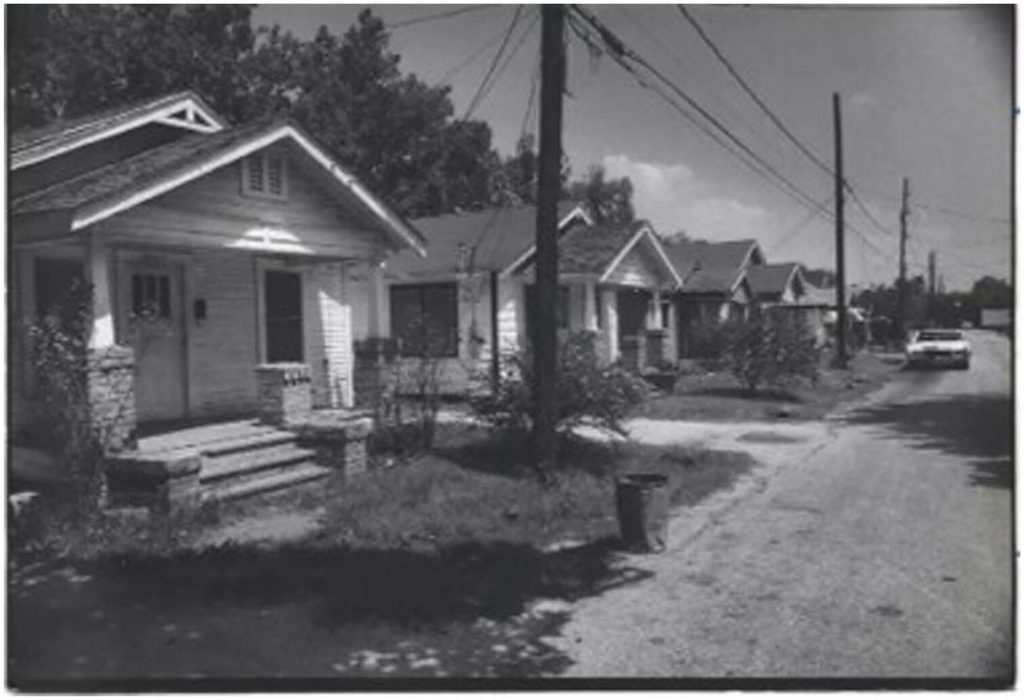
In “Mickey’s Mission: Remembering Structural Solutions to Eliminate Homelessness,” Taylor Michelle Cook examines this policy-induced crisis through the life and work of Houston Congressman Mickey Leland. In the 1980s, austerity and severe social safety net cuts coincided with the emergence of “new homelessness.” Grounded in the experiences of his constituents and aligning with the critical housing scholarship of his time, Leland’s proposed Homeless Person’s Survival Act included a right to shelter, funds for the preservation of low-income housing, and rent relief. Though not adopted, the bill still offers a radical blueprint for eliminating homelessness and housing insecurity.
Member Spotlight: Howard Gillette

Howard Gillette
Professor of History Emeritus
Rutgers University-Camden
More of the latest updates can be found in the NEWS PAGES.
For the most recently listed opportunities, see the JOBS PAGE.
RECENT NEWS