
SACRPH is a one-of-a-kind community that brings together scholars and practitioners. We are excited to showcase our members’ work and what SACRPH means to them.
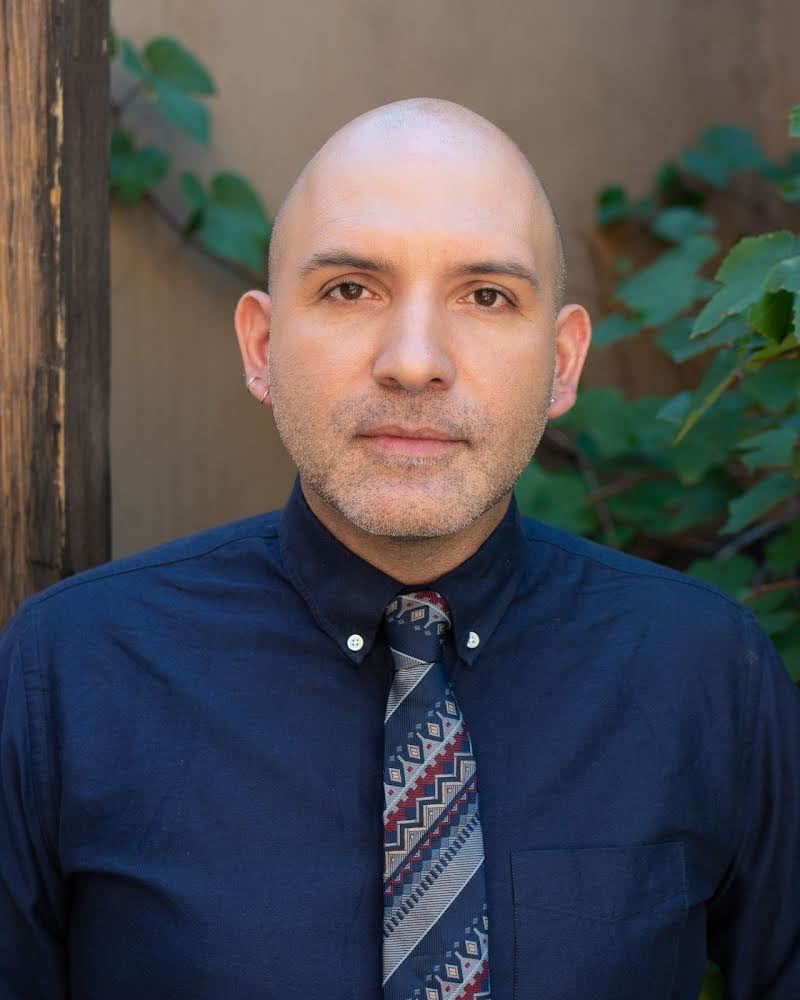
John C. Arroyo
Assistant Professor, Department of Urban Studies and Planning, University of California, San Diego
What are you currently working on?
I recently concluded my work as the founding director of the Pacific Northwest Just Futures Institute for Racial and Climate Justice (JFI), a Mellon-funded social justice initiative that consisted of eight research clusters that fostered anti-racist futures in both urban and rural areas. One of my key projects was the Albina Preservation Initiative, a transformative multi-year and multi-pronged initiative aimed at making preservation work better for Black communities in Oregon. I partnered with Restore Oregon, Oregon Black Pioneers, Moreland Resource Consulting, Clatsop Community College Historic Preservation Program, and the Architectural Heritage Center to launch a hands-on preservation program consisting of an Urban Racial Justice Field School, resident-led technical home history workshops, a digital exhibition (Hidden Landmarks of Albina’s Black Community: A Digital Exhibit Mapping Historic African American Properties in Albina), and a co-hosted culminating symposium featuring the National Trust for Historic Preservation: Expanding the Black Preservation Movement in Oregon.
Another key JFI project I produced was Casa y Comunidad: Latino/a/x Housing in Oregon, an oral history-based limited documentary series (9-part docuseries) about salient housing access issues affecting the Latino/a/x community in Oregon, one of the fastest-growing immigrant gateways for Mexican and Central American migrants in the U.S. Topics in the docuseries include farmworker and agricultural housing, fire recovery, homeownership, eviction, COVID-19 and inter-generational housing, rural housing, and rental challenges. I recently completed a full-hour version in Spanish and am currently presenting the series at nearly 25 film festivals across the world. The project is free (open access), bilingual (English and Spanish), and designed to complement the Oregon Department of Education’s K-12 requirement for ethnic studies (HB 2845/HB 2023). Alongside the docuseries, I also launched a separate public humanities project, Atlas of Essential Work, a digital atlas on how labor and storytelling intertwine to reveal often invisible narratives of Latino/a/x housing and migration history, carceral firefighting, community gardens, fossil fuel protests, and glacial melt.
What most excites you about your field right now?
I’m excited about the increased interest and will for planners and planning scholars to rethink traditional affordable housing paradigms. Housing development and research is important because housing is a sector of planning and development that is inextricably tied with other core elements that comprise a functioning, dignified, and just city. Whether it’s permanent supportive housing for houseless members of our urban communities, multi-modal transit-oriented housing to increase suburban affordability, or climate resilient farmworker housing for migrant communities in rural areas, housing research helps policymakers, elected officials, advocates – and most importantly residents – understand the historical and contemporary issues faced by everyday families and individuals across all levels of society. It’s clear that the planning profession needs a full reset to take stock of previous lessons and consider bold ideas for the future. I’m personally interested in this considering the level of destruction last January’s wildfires caused my native Los Angeles County (including the loss of a family member’s home in Altadena), where the future of rebuilding, finance, and protection will all be key questions for planners and policymakers. On the one hand I am overwhelmed by the degree of recovery necessary to help the thousands of people impacted heal from the tragedy. On the other, I am inspired by local-level efforts for mutual aid, community support, and experimentation. Furthermore, the dynamism of ever-changing housing policy and new research modes ranging from mapping to film encourage me to spend more time teaching, studying, and reflecting on contemporary housing debates, in California and beyond.
Why did you join SACRPH?
The reason I joined SACRPH was to connect with housing and planning history scholars — across multiple urbanism disciplines — that draw on various methodologies and through multiple lived experiences, especially those that reflect the diverse ethnic and racial communities that comprise our towns and cities. On a personal note, I frequently tell people SACRPH has the most fun membership base out of all the professional urbanism-oriented organizations!