
By Katie Marages, University of Georgia
It is with great sadness and a deep sense of loss that I write to honor the life of Stephen Ramos and his many contributions to the field of planning history. Stephen passed away on January 20, 2026. He was Professor of Urban Planning and Design in the College of Environment and Design (CED) at the University of Georgia. His research on port cities, energy transition, logistics, and planning history was international in scope. Ideas about community and place not only permeated Stephen’s research and teaching but were foundational to his role as a faculty member at UGA and in his service to organizations such as SACRPH and the International Planning History Society (IPHS). Stephen was a frequent presenter and commentator at SACRPH conferences and worked to maintain connections between SACRPH and IPHS. He was Editor for the Americas for Planning Perspectives, the official journal of IPHS, and was helping to plan the organization’s conference in Atlanta this July.
He was a beloved professor, and his classroom was a community where he challenged students with new ideas and ways of thinking. Stephen honored students’ insight and perspectives and saw them as the lifeblood that pushed him and all professors to continually reconsider established ideas and avoid stagnant thinking. In one class, “Ideas About Community and Place,” he had students use the Asset Based Community Development (ABCD) methodology, which identifies existing community assets that can enhance community life. In 2024, the class was awarded the Georgia Chapter of the American Planning Association Outstanding Student Project for their asset-based community development report for Gwinnett County, Georgia. In a feature story published by the CED, Ramos explained that the ABCD method did not ignore or deny community deficiencies. Rather, he explained, the method first recognizes the community assets already available “…so that when recommendations are made and resources are found, they are understood within a context of possibility.” This quote embodies the spirit of optimism with which Stephen approached all things.
Stephen wanted everyone in his orbit—from his students to his colleagues and friends—to succeed. He was masterful at orchestrating connections and opportunities to help them do just that. He worked quietly and behind the scenes, never seeking recognition. The many who benefited from his help may not even know it was Stephen who set the wheels in motion. When the spotlight was on him, he looked for ways to share it with others. While promoting his new book this past December at the Auburn Avenue Research Center in Atlanta, Stephen called one of his recently graduated Master of Urban Planning students from the audience up to the stage to share her thesis project with the audience.
At a memorial gathering at the CED, his wife, Nuria, spoke about Stephen’s research as a journey of identity, connection, and home. His first book, Dubai Amplified: The Engineering of a Port Geography (Ashgate, 2010), allowed him to make connections with his Lebanese heritage. His most recent work, Folk Engineering: Planning Southern Regionalism (University of North Carolina Press, November 2025), studies the region he and his family have called home since 2011. In writing about regional planning in the South and introducing the lesser-known figure Howard Odum, Stephen brought a new perspective to the history of regional planning. At the time of his death, Stephen was a collaborator on the Johns Hopkins University’s Tidewater Initiative, which has a particular emphasis on the Port of Baltimore. Having grown up outside of Baltimore, this work brought Stephen back to his roots. While these projects elucidated important information for the field, they also allowed Stephen to connect to communities and places that were important to him over the course of his life.
As SACRPH is an organization that promotes community and connection, it seems fitting that I first met Stephen at the 2015 conference in Los Angeles. Stephen was a last-minute addition to a panel I had organized that had a geographic focus on the South. I was still completing my dissertation at George Washington University but had moved from DC to Athens. Stephen and I quickly discovered that we were practically neighbors, and our children attended the same school. He quickly became a friend and mentor, which I believe is a common experience for people who met Stephen. I will be forever grateful to have known him and for his mentorship both before and after I became his colleague at the CED. I will always remember the palpable love that he had for his family, and the way that he beamed with pride whenever he spoke about his wife and their two children. Stephen was a person who managed to embody both gravitas and joy. His death is an unbelievable loss to all who knew him and to the many communities of which he was a part. His absence will be felt keenly in many places.
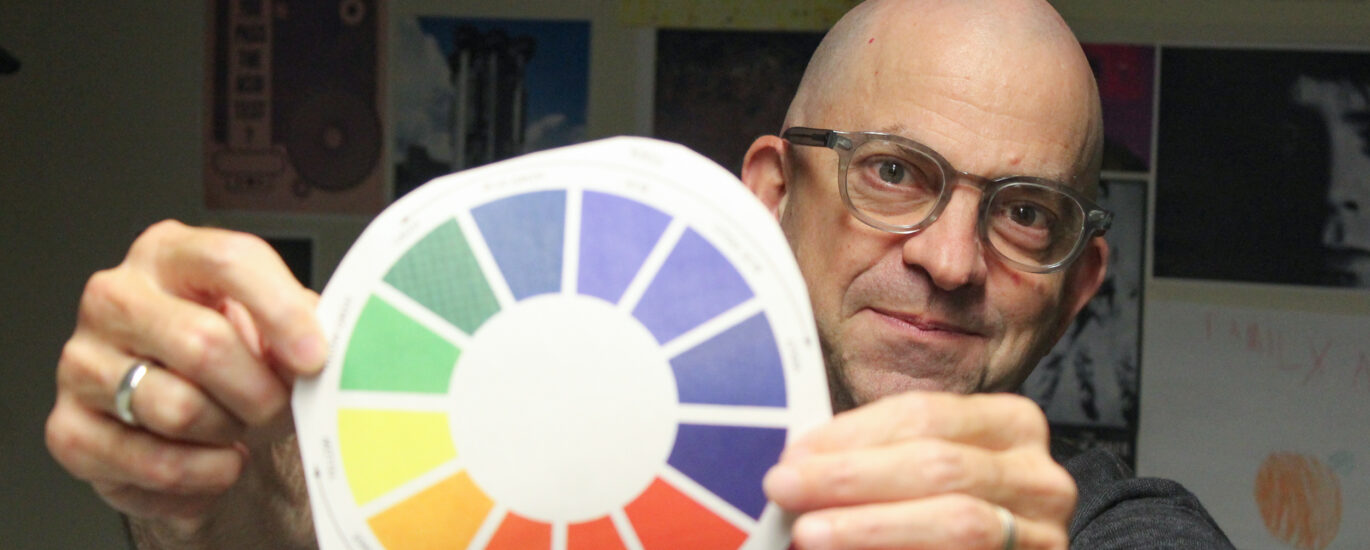
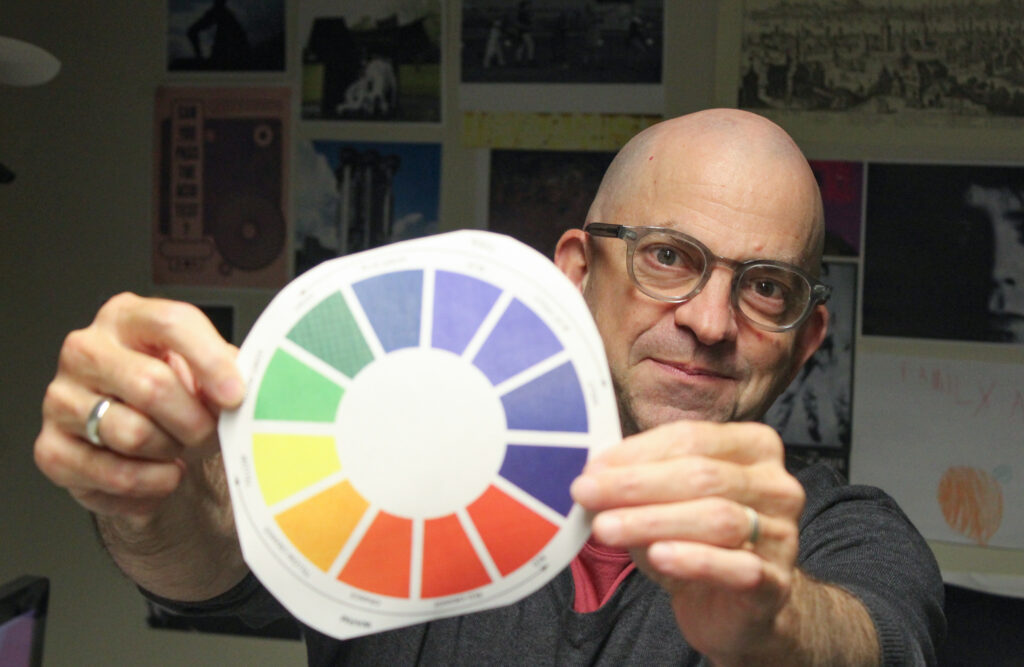
Photo Credit: Megan Dupre, University of Georgia